Deep Cleaning in E1: A Practical Approach to a Cleaner, Healthier Space
Deep cleaning in E1 is more than a quick tidy-up. It is a detailed cleaning process designed to reach the hidden dirt, grime, dust, and buildup that standard cleaning often misses. Whether you are maintaining a home, preparing a rental property, refreshing an office, or getting a property ready for guests, deep cleaning in E1 can make a visible difference in comfort, appearance, and hygiene.
In busy areas like E1, where schedules are full and properties are used heavily, deep cleaning becomes especially valuable. It helps improve indoor air quality, supports a more sanitary environment, and restores spaces that have started to feel tired or neglected. Deep cleaning in E1 is not just about looking clean; it is about cleaning thoroughly and strategically.
If you are wondering what makes a proper deep clean different, the answer is simple: attention to detail. From skirting boards and behind appliances to high-touch surfaces and hard-to-reach corners, deep cleaning in E1 focuses on the places that accumulate dust and bacteria over time. That level of care is what turns a surface-level clean into a meaningful reset for any property.
What Deep Cleaning in E1 Actually Includes

Deep cleaning in E1 is a thorough cleaning service that targets areas often overlooked in routine maintenance. It typically includes a full top-to-bottom clean of rooms, fixtures, fittings, floors, and common touchpoints. The exact scope depends on the property, but the aim is consistent: remove built-up dirt and improve overall hygiene.
Unlike regular cleaning, which may focus on visible surfaces and day-to-day upkeep, deep cleaning in E1 reaches into corners, edges, and hidden spaces. This can include behind furniture, beneath beds, inside cupboards, around sockets, under sinks, and along ventilation points. These areas collect dust and residue faster than many people realize.
The process often includes degreasing kitchen surfaces, scrubbing bathroom tiles, descaling taps and showerheads, cleaning internal windows, wiping doors and frames, and sanitizing touchpoints such as handles, switches, and rails. Deep cleaning in E1 is designed to make the whole environment feel renewed.
Why Deep Cleaning in E1 Matters

There are several reasons why people choose deep cleaning in E1 rather than relying only on regular cleaning. One of the biggest is hygiene. Dust, grease, limescale, and bacteria build up gradually, and a deep clean helps reduce that buildup before it becomes harder to manage.
Another reason is presentation. If you are hosting guests, preparing for an inspection, moving out, or simply wanting to improve the feel of your home, deep cleaning in E1 creates an immediate visual improvement. Clean grout, fresh floors, and spotless surfaces all contribute to a better impression.
It also supports maintenance. Dirt and residue can shorten the lifespan of finishes, fabrics, and appliances. By investing in deep cleaning in E1, you help protect the value of your property and reduce the chance of long-term damage caused by neglect.
Key benefits at a glance
- Removes accumulated dirt from hard-to-reach areas
- Improves hygiene across kitchens, bathrooms, and living spaces
- Helps reduce dust and allergens
- Restores a fresher appearance to the property
- Supports better upkeep of surfaces and fixtures
Areas Covered During Deep Cleaning in E1

Every property is different, but a strong deep cleaning in E1 service usually covers a wide range of rooms and surfaces. The kitchen is often the most demanding area because it collects grease, food debris, and fingerprints. Bathrooms also require careful attention because of soap scum, limescale, and moisture-related buildup.
Living rooms, bedrooms, hallways, and entry spaces benefit from detailed dust removal, skirting-board cleaning, vacuuming, and floor care. Deep cleaning in E1 may also include cleaning light fixtures, polishing mirrors, wiping radiators, and refreshing internal windows. These are the small details that make a space feel properly finished.
In many cases, the service also addresses high-touch points such as switches, handles, remote controls, and banisters. These areas are easy to miss in daily cleaning but matter greatly for overall cleanliness. Deep cleaning in E1 is especially effective when those forgotten areas receive the same level of care as the visible ones.
Common room-by-room tasks
- Kitchen: hob cleaning, cupboard fronts, splashbacks, sink sanitizing, grease removal
- Bathroom: tile scrubbing, descaling, toilet detailing, mirror polishing, fixture wiping
- Bedrooms: dusting furniture, vacuuming under beds, skirting-board cleaning
- Living areas: upholstery vacuuming, surface disinfection, floor cleaning, cobweb removal
- Hallways: door frames, switches, handrails, and floor edges
Deep Cleaning in E1 for Homes, Flats, and Rentals

Deep cleaning in E1 is useful in many types of residential properties. Homeowners often book it as a seasonal reset or after a busy period when routine cleaning has not been enough to keep up with buildup. Flats, especially smaller ones, can also benefit because dirt and cooking residue can spread quickly in compact spaces.
For landlords and tenants, deep cleaning in E1 is often associated with end-of-tenancy requirements. A property that has been occupied for months or years usually needs more than a standard clean before it can be handed over. Deep cleaning helps prepare the property for inspection, new occupants, or a smoother move-out process.
Holiday lets and serviced apartments also rely on deep cleaning in E1 to maintain a professional standard between guest stays. The goal is not only visual cleanliness but also a sense of freshness that supports positive guest experiences. When done properly, it makes a property look cared for and ready to use.
When to consider deep cleaning in E1
- After a long period without thorough cleaning
- Before or after moving house
- At the start of a new tenancy
- After renovations or building work
- Before hosting guests or events
- During seasonal refreshes such as spring or autumn cleaning
Deep cleaning in E1 is a flexible service because it can be adapted to different living situations without losing its main purpose: restoring cleanliness where routine upkeep has not gone far enough.
Deep Cleaning in E1 for Offices and Commercial Spaces
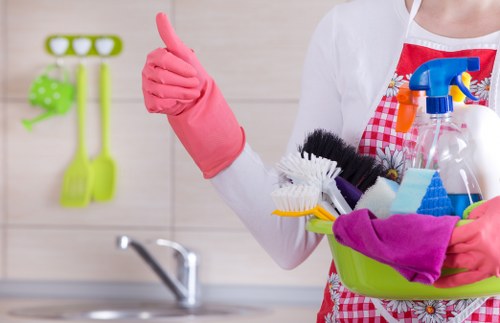
Commercial properties also benefit from deep cleaning in E1. Offices, shops, clinics, studios, and shared workspaces collect dust and germs just like homes, but often at a faster rate due to higher foot traffic. Regular cleaning is essential, yet deep cleaning provides the extra level of detail needed to maintain a professional environment.
Office deep cleaning may include desks, partitions, meeting rooms, kitchens, toilets, reception areas, and shared equipment. Focus is usually placed on surfaces that receive frequent contact, as well as less visible areas such as under furniture, behind storage units, and around skirting or vents. Deep cleaning in E1 supports a cleaner, more presentable workspace.
For businesses, appearance matters. A clean environment can influence staff morale, visitor impressions, and general comfort. Deep cleaning in E1 helps create a space that feels organized and well managed, which can support productivity and confidence in the property.
Commercial benefits of deep cleaning
- Improves workplace hygiene
- Creates a better impression for visitors and clients
- Supports staff comfort and morale
- Helps reduce dust and allergen buildup
- Complements regular janitorial routines
How a Deep Cleaning in E1 Service Is Usually Carried Out
A professional deep cleaning in E1 service typically starts with an assessment of the property. This helps identify the rooms, surfaces, and problem areas that need the most attention. A good plan matters because deep cleaning is more effective when work is organized from top to bottom and from cleaner zones to dirtier ones.
The next stage often involves dusting and wiping upper surfaces before moving to walls, fixtures, and furniture. Floors are usually left until later so loosened dust and debris can be vacuumed or mopped in one final pass. This method keeps the clean efficient and avoids recontaminating areas that were already done.
Deep cleaning in E1 often uses specialist products for limescale, grease, and stubborn marks. Different materials require different techniques, so careful cleaning is important for protecting surfaces while still achieving strong results. Attention to material type matters, especially on delicate finishes, wood, glass, stone, and stainless steel.
Typical cleaning sequence
- Initial assessment and room prioritization
- Dusting high and hard-to-reach areas
- Detail cleaning of fixtures and surfaces
- Kitchen and bathroom specialist cleaning
- Floor vacuuming, sweeping, and mopping
- Final inspection and touch-up work
This structured approach is one reason deep cleaning in E1 can produce such noticeable results in a relatively short period of time.
What Makes Deep Cleaning in E1 Different from Regular Cleaning
Regular cleaning is about maintenance. It keeps a space presentable and prevents dirt from building up too quickly. Deep cleaning in E1 goes further by targeting buildup that has already settled in and become harder to remove. That distinction is important because it changes both the time required and the level of detail involved.
For example, regular cleaning may include wiping counters and vacuuming floors, while deep cleaning in E1 may include moving appliances, cleaning behind them, scrubbing grout, descaling fixtures, and polishing details that are often ignored. The outcome is a more thorough reset rather than simply a tidy finish.
Another difference is the level of inspection. Deep cleaning tends to include spots that are only visible once furniture is moved or once corners are checked carefully. This is where a property often reveals the difference between surface cleaning and real deep cleaning. In E1, where many properties are compact, older, or heavily used, that extra detail matters.
Simple comparison
- Regular cleaning: maintains visible surfaces and routine hygiene
- Deep cleaning: removes built-up grime and addresses hidden dirt
- Regular cleaning: frequent, lighter tasks
- Deep cleaning: periodic, detailed tasks
How Often Should You Book Deep Cleaning in E1?
How often you need deep cleaning in E1 depends on the property, the number of occupants, lifestyle habits, and the level of day-to-day maintenance. Some homes need it every few months, while others may only need it once or twice a year. Properties with children, pets, or heavy use often benefit from more frequent deep cleaning.
Commercial spaces may require a different schedule. Offices and customer-facing premises may need periodic deep cleaning in E1 to maintain standards throughout the year. End-of-quarter, seasonal, or post-event cleaning can all be sensible times to schedule a deeper service.
If you notice persistent odors, visible grime, dull surfaces, or dust returning quickly after regular cleaning, it may be time to book deep cleaning in E1. These signs often indicate that buildup has gone beyond what routine upkeep can handle effectively.
Signs you may need a deep clean soon
- Kitchen grease that keeps returning
- Bathroom limescale and soap scum buildup
- Dust settling quickly on surfaces
- Stale smells in rooms or cupboards
- Visible dirt in corners, edges, or under furniture
- A property that feels tired or neglected
Preparing for Deep Cleaning in E1
Preparation can make deep cleaning in E1 smoother and more effective. While the service itself is designed to handle the hard work, a few simple steps can help ensure that cleaners can access the areas that need attention. Clearing clutter, putting away personal items, and identifying problem areas all support a better outcome.
If there are specific stains, delicate surfaces, or rooms that need extra focus, it is useful to highlight those before the cleaning begins. That helps the process stay efficient and ensures priority areas are not missed. In practice, the best deep cleaning in E1 results often come from a clear plan and good communication.
It is also smart to think about timing. If you are booking around a move, renovation, or event, plan ahead so the property has enough time to dry, air out, and be fully ready afterward. Deep cleaning in E1 works best when it is part of a sensible schedule rather than a last-minute rush.
Simple preparation steps
- Remove clutter from surfaces and floors
- Set aside fragile or valuable items
- Note any stubborn stains or trouble spots
- Provide access to key rooms and storage areas
- Plan the service around your availability
Why Local Experience Matters for Deep Cleaning in E1
Local experience can make a difference when it comes to deep cleaning in E1. Different properties present different challenges, and a team familiar with the area is more likely to understand common building layouts, access issues, and the pace of local demand. That can help make the service more efficient and more adaptable.
In E1, property types can vary widely, from apartments and townhouses to offices and mixed-use spaces. A flexible cleaning approach is important because one method does not fit every environment. Deep cleaning in E1 should respond to the actual condition of the space rather than relying on a one-size-fits-all routine.
That local adaptability is also useful when dealing with specific concerns such as traffic-related dust, older fixtures, compact kitchens, or high-use bathrooms. Deep cleaning in E1 works best when the process matches the needs of the property and the expectations of the people using it.
Local advantages include
- Faster understanding of common property layouts
- Better awareness of typical cleaning challenges
- More practical scheduling and service planning
- Flexible support for homes and businesses
Getting the Best Results from Deep Cleaning in E1
To get the best results from deep cleaning in E1, it helps to focus on consistency, detail, and timing. A deep clean is most effective when it is supported by good routine cleaning afterward. That prevents buildup from becoming severe again and helps preserve the benefits for longer.
Choosing the right scope also matters. Some properties need a full deep clean, while others may only need targeted attention in kitchens, bathrooms, or high-traffic areas. The most effective deep cleaning in E1 services are those that match the condition of the property rather than overdoing or underdoing the work.
If you want your home or business to feel cleaner, fresher, and easier to maintain, deep cleaning is a practical step. It is a reset that helps you regain control of the environment and bring back a sense of order. Book your service now if your space is due for a proper refresh.
Best practices after the clean
- Maintain a regular cleaning schedule
- Address spills and stains quickly
- Ventilate rooms to reduce moisture buildup
- Use doormats to limit dirt coming inside
- Repeat deep cleaning in E1 at sensible intervals
For anyone dealing with buildup, clutter-related neglect, move-out requirements, or a property that simply needs more care, deep cleaning in E1 is a strong solution. It creates visible change, supports hygiene, and restores the space in a way that routine cleaning alone often cannot.
Contact us today to arrange deep cleaning in E1 and give your property the detailed attention it deserves.